10 Phonics Classes Parents in…
September 14, 2026


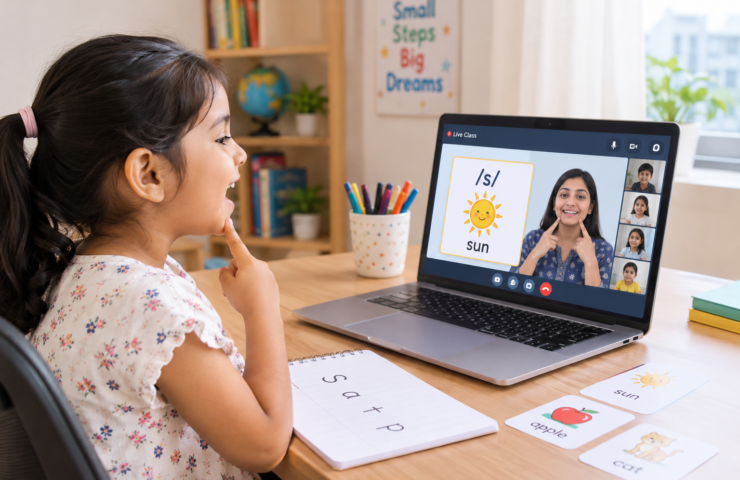
Reading levels among Indian children are finally climbing back after years of pandemic-era decline – Standard 3 government-school students able to read a Standard 2-level text rose from 16.3% in 2022 to 23.4% in 2024, per the latest ASER data, according to Wilima Wadhwa, Director of the ASER Centre, who attributes much of the gain to NEP 2020’s focus on foundational literacy and numeracy. That recovery is a strong signal that structured, sound-based reading instruction works – which is exactly what a good phonics program delivers. If you’re comparing phonics classes for kids in India, here’s an evidence-based look at ten providers parents currently trust, and what actually separates a strong program from a generic one.
Phonics teaches children to connect letters with the sounds they make, rather than memorising whole words – a skill that underpins both reading and spelling. For children in India, many of whom are learning English as an additional language, this systematic sound-to-letter mapping matters even more than it does for native speakers.
National data shows government schools drove nearly all of the post-pandemic reading recovery, while private-school learning levels in 2024 were still below their pre-pandemic mark – a reminder that access to structured reading instruction isn’t guaranteed just because a child attends a “good” school. This is the gap that dedicated phonics programs, online or offline, are built to close: consistent, sound-first practice that a packed classroom curriculum often can’t provide on its own.
Not every “phonics class” delivers the same outcome. Before enrolling, evaluate a program against four criteria:
Keep these four checkpoints in mind as you compare the programs below.
1. iSchooling – Live, group-based online phonics classes for ages 3–8, built around the 42 English letter sounds and a multi-sensory blending (for reading) and segmenting (for spelling) method. Batches are kept small for real one-on-one correction time, sessions run three times a week for 30 minutes, and pricing is transparent from the outset – ₹2,500/month for group classes. iSchooling also explicitly serves NRI families in China, Dubai, and the USA alongside its India-based audience, making it a fit for parents who want structured group learning without losing personalised attention.
2. Tiny Steps Learning – A 1:1 online phonics, grammar, and public-speaking provider for ages 3–12, combining synthetic phonics methods with AI-guided practice, lesson recordings, and parent transparency, and aiming to help children master reading in 12–16 weeks. Offers a free assessment before enrolment – a useful option for parents wanting fully individualised pacing rather than a group format.
3. ClassMonitor – Runs live phonics classes for ages 4–7 focused on pronunciation, decoding, and vocabulary, with regular progress updates sent to parents. Also sells offline phonics activity kits, making it a hybrid option for families who want screen-time balance alongside live instruction.
4. Instrucko – Offers both group and 1:1 online phonics sessions with instructors from the UK and India, built around curricula referencing major global examination boards. Positions itself on scale and international instructor access, which suits parents prioritising exposure to UK-trained teachers.
5. Jolly Reading – A Mumbai-based, Jolly Phonics and Jolly Grammar–certified provider (CPD College UK methodology) with close to two decades of teaching experience. Batches are kept deliberately small – typically 4–7 students – with a stated focus on real storybook and newspaper-headline reading practice rather than just covering the syllabus.
6. Little Genius Academy – An Ahmedabad-based program built around what it calls “Pure Phonics,” a method designed specifically for Indian children rather than an imported synthetic-phonics framework, offered through both group and 1:1 sessions. A relevant option for parents specifically concerned about phonics methods that weren’t designed with Indian English learners in mind.
7. Bambinos – A Bangalore-based English communication platform for kids offering phonics alongside broader spoken-English classes, with a free trial class as the entry point. Positions itself heavily on communication and confidence outcomes rather than phonics alone.
8. Fluffy Tale – Offers online phonics classes for preschool-age children with some free introductory resources and lessons, making it a lower-commitment starting point for parents who want to test the format before paying for a full program.
9. Learn2Read – A 1:1 phonics provider offering a six-class trial with a full refund if the fit isn’t right – a low-risk way for parents to evaluate an individualised format before committing to a longer program.
10. House of Soft Skills (HOSS) – Combines phonics instruction with personality development for ages 4–6, built around letter-sound mastery in early levels, moving into blending, confidence-building, and social skills as children progress. A fit for parents who want phonics paired explicitly with spoken-confidence coaching rather than reading skills alone.
Group versus 1:1 is the first real fork in the road. Group classes (iSchooling, ClassMonitor, parts of Instrucko and Little Genius) cost less and work well for children who follow structured instruction easily. 1:1 formats (Tiny Steps, Learn2Read, and 1:1 options at Instrucko) cost more but adapt pace instantly – worth it for a child who’s shy in groups or catching up on reading.
Second, check what “personalised attention” actually means in practice – ask for the batch size, not just the marketing claim. A program advertising “small batches” with 15+ children per session isn’t offering the same experience as one capped at 5–6.
Finally, match program age bands to your child precisely. A 3-year-old starting sound recognition and a 7-year-old blending full sentences shouldn’t be in the same curriculum track – confirm this before enrolling, not after the first month.
Q: What age should my child start phonics classes in India?
A: Most programs begin formal instruction between ages 3 and 4, once a child can recognise and distinguish sounds. Earlier exposure (age 2–3) can focus on rhymes and listening skills as pre-phonics preparation.
Q: Is online phonics as effective as offline classes?
A: For live, instructor-led formats with small batches, yes – the sound-correction and reading-practice elements that matter most translate well to video calls. Passive, video-only content is less effective than live interaction.
Q: How much do phonics classes for kids cost in India?
A: Group classes typically start around ₹2,000–2,500/month, while 1:1 formats usually run higher given the individual instructor time. Always confirm whether pricing is per month or per full course.
Q: What’s the difference between phonics and just learning the alphabet?
A: The alphabet teaches letter names; phonics teaches the sounds those letters make and how to blend them into words – the actual mechanism behind reading and spelling fluency.
The right phonics program isn’t the one with the biggest scale claims – it’s the one that matches your child’s age, personality, and pace, with genuine small-batch or 1:1 attention and real reading practice built in, not just worksheets. iSchooling’s online phonics classes are built around exactly that combination: small groups, live correction, and a transparent, affordable structure from day one. Explore the full homeschooling programs lineup or read more about our approach to see if it’s the right fit for your child.


